
The Indoor Tiger.
Transforming four walls into a wild, enriching sanctuary for your cat's ancient soul.
1. Vertical Adventure
Domestic cats haven't lost their wild instincts; they've simply adapted them to our living rooms. In the wild, height equals safety and strategic advantage. If your cat doesn't have a way to climb, they're missing a vital piece of their psychological well-being.
Adding vertical paths, such as wall shelves or ceiling-high cat trees, allows them to survey their "kingdom" and reduces territorial stress.
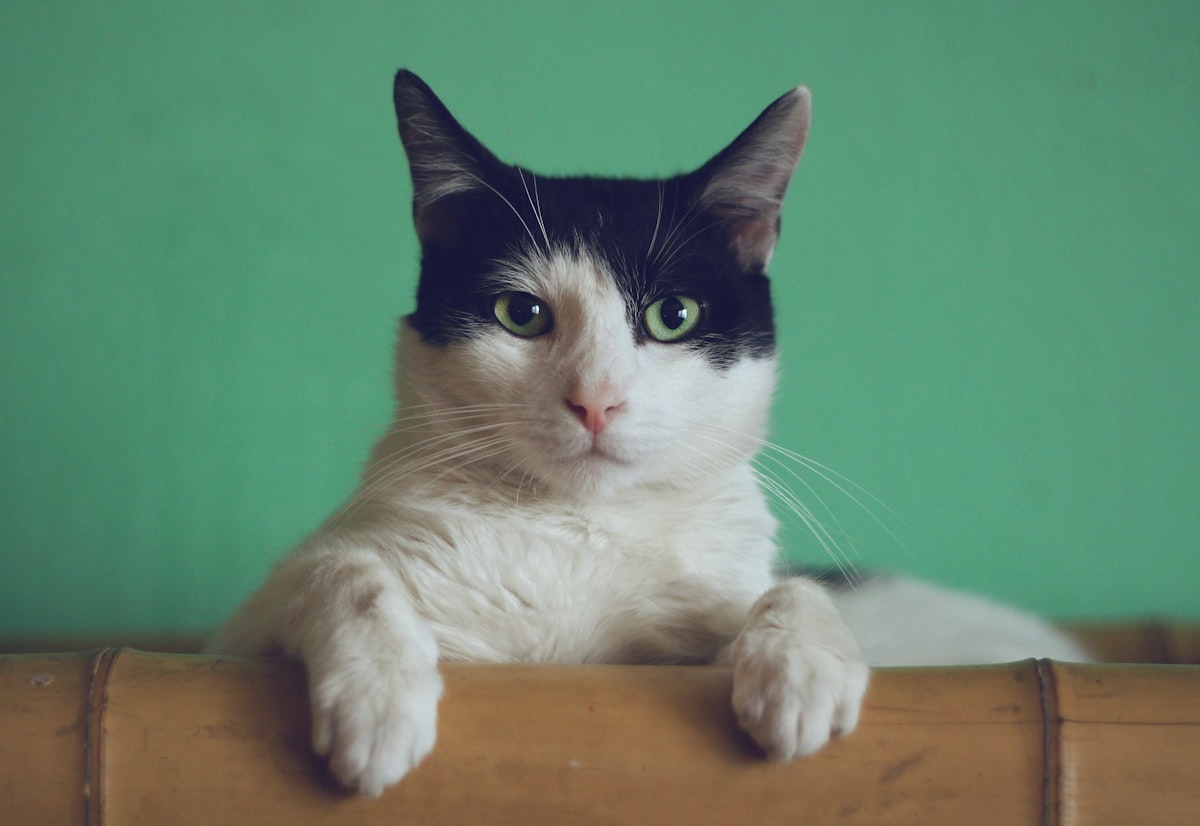
"A cat’s happiness is measured by the complexity of their environment, not the size of the room."
2. The Hunt Sequence
Feeding your cat in a bowl is easy, but it skips the most important part of their day: The Hunt. To truly satisfy a feline, you must engage the prey sequence: Stare, Stalk, Chase, and Pounce.
Interactive play sessions before meals mimic this natural cycle, keeping their hearts healthy and preventing the "boredom-induced" furniture scratching.

3. Sensory Enrichment
While we see the world, cats smell and hear it. A house that always smells the same can become a sensory desert. Introduce safe, new stimuli regularly.
Fresh silvervine, a simple cardboard box from a delivery, or a window perch for "Cat TV" (watching birds) provides endless mental engagement.

Scratching is Essential
It's not defiance; it's health. Scratching stretches muscles and marks territory. Provide sisal and wood textures.
The Window View
Visual stimulation from birds and trees prevents lethargy and keeps their predatory instincts engaged.